2008 News of the Nation - Election 2008


Top events for the nation and the world
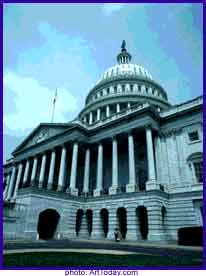
Historic Presidential Election | Obama Assembles a Centrist Administration | Financial Crisis Hits Hard Democrats Gain Seats in CongressThough overshadowed by the presidential election, the 2008 congressional races featured several headline-making scandals and upsets. The results of the competitions in the Senate and House of Representatives followed the trend set in 2006; Democrats picked up a total of 19 additional seats in the House and seven in the Senate, allowing the party to hold on to their majority in both houses of Congress. Post-election, the number of Senate Democrats reached 56 (with Minnesota still undecided as of Dec. 15), and with two Independents caucusing for the Democrats, their majority totals 58. This number falls short of the filibuster-safe 60 they had hoped for, but certainly creates a safe cushion of majority. Scandals in Senate RacesThe election cycle was rife with scandal. Incumbent Alaskan Senator Ted Stevens, a Republican, made news in October when he was found guilty of felony charges: making false statements in regard to unreported gifts. Refusing to resign, he continued on in the race for reelection, but narrowly lost to Democrat Mark Begich. North Carolina Sen. Elizabeth Dole, a Republican, also made headlines in an "October surprise." She released a television attack ad accusing her opponent, Democrat Kay Hagan, of taking money from an atheist organization and implying that Hagan might herself be an atheist. The ad was widely criticized and contributed to Hagan's wide margin of victory. Months before the election, Dole was leading in the polls and considered a shoo-in. Obama's Senate Seat Up for SaleOn December 9, the U.S. Attorney General's Office revealed that Chicago governor Rod Blagojevich, responsible for naming the replacement for the Senate seat vacated by President-elect Barack Obama, had plotted to sell the position to the highest bidder. He was arrested and charged with conspiracy to commit mail and wire fraud and solicitation of bribery. Recounts were another theme of the congressional contests. The Georgia race between incumbent Sen. Republican Saxby Chambliss and Democrat Jim Martin was surprisingly underwhelming. Because neither candidate attained the required 50% of the votes, a recount election was held on December 3. Chambliss won the second round handily. In Minnesota, the slim margin of victory for incumbent Republican Norm Coleman—competing against Democrat Al Franken—required a recount. Disqualified absentee ballots and missing votes slowed the process. Results are still pending. For more information about the congressional races: |
- More from 2008 News of the Nation
Trending
Here are the facts and trivia that people are buzzing about.