-

Random Acts of Kindness Day
Random Acts of Kindness Day, celebrated on February 17th, encourages people to perform small, random acts of kindness to spread joy and positivity. These acts can range from sending a cheerful message to helping a neighbor.
-
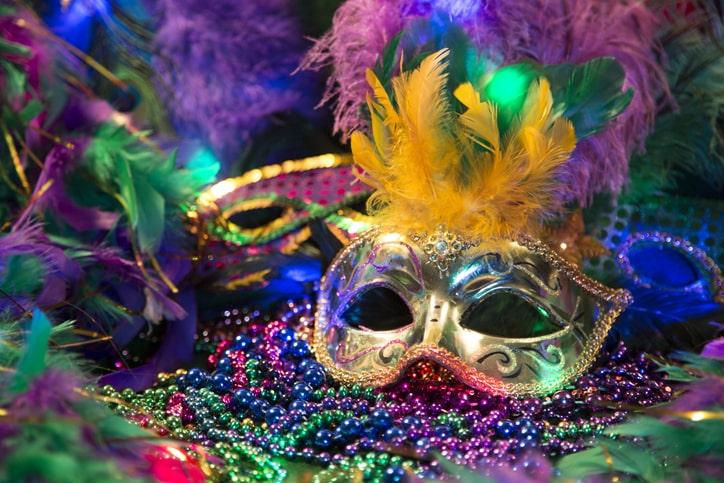
Mardi Gras
Mardi Gras, also known as Fat Tuesday, is a festive event celebrated with parades, masquerade balls, and indulgent food. It marks the last day of feasting before the Christian fasting period of Lent.
-
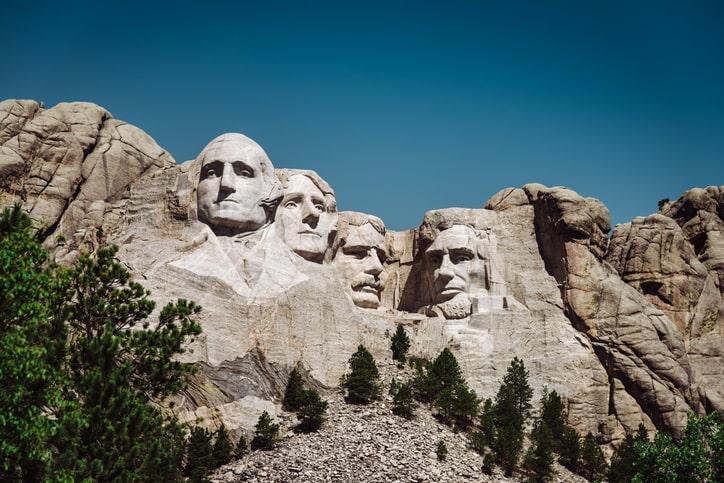
President's Day
President's Day, also known as Washington's Birthday, is a federal holiday celebrated on the third Monday in February. It honors the first U.S. President, George Washington, recognizing his significant contributions to the United States.
-
President's Day
President's Day, also known as Washington's Birthday, is a federal holiday celebrated on the third Monday in February. It honors the first U.S. President, George Washington, recognizing his significant contributions to the United States.



Quizzes
Want to test your knowledge? Show what you know with our quizzes on interesting topics from science to pop culture. See all




The Daily IQ
A daily dose of fun facts, brain exercises, and news for smart people. See more
This Day in History
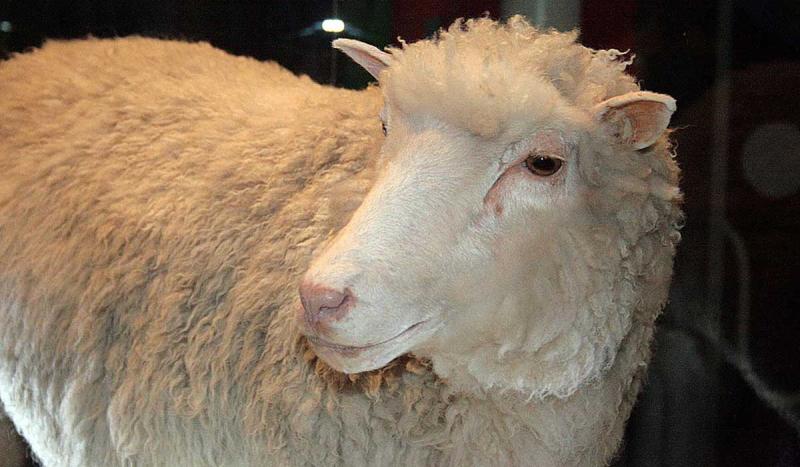
This Day in History
Scottish scientists announced the successful cloning of a sheep, Dolly.

Weather of the Day

Weather of the Day
On this date in 1998, 42 people were killed when severe thunderstorms and seven tornadoes…

Birthday of the Day
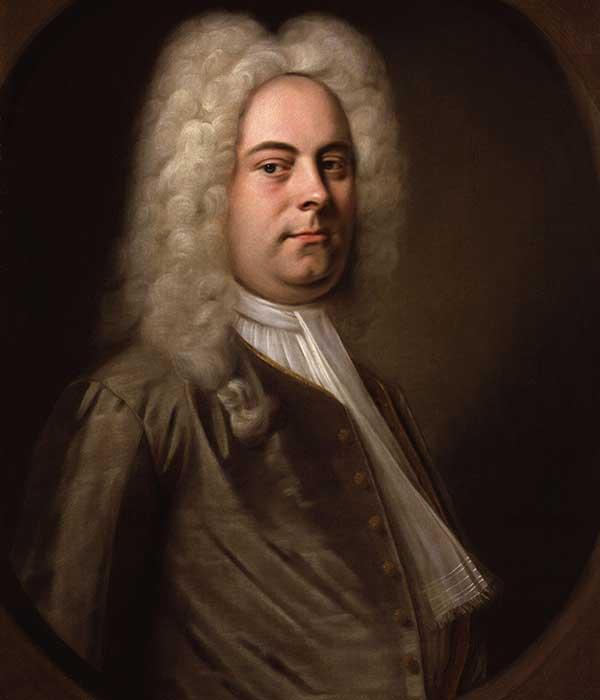
Birthday of the Day
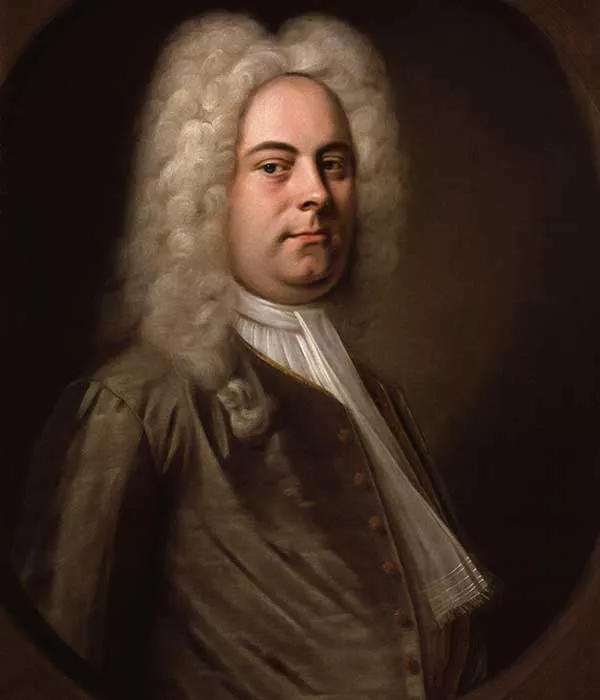
Born in Halle, Germany. Handel was one of the greatest masters of baroque music, most…
Word of the Day

Analogy of the Day

News of the World

News of the World
Romeo Nance is believed to have fatally shot himself following a confrontation with…

Trending
Here are the facts and trivia that people are buzzing about.
 One of the World's Biggest Celebrations
 Top of Page World News | U.S.
 A worldwide celebration of love Have you ever wondered how Valentine's Day became a holiday, who Saint Valentine is, or how Necco comes up with the phrases for their candy hearts? We did, too!
 Pagan festivals, Christian saints, Chaucer's love birds, and the Greeting Card Association of America
 The feast before the fast Millions of people every year crowd New Orleans to view the Mardi Gras parades.
 Top of Page