
DK Science: Classifying Plants
Plants belong to the PLANT KINGDOM, one of the five kingdoms of living things. Plants are classified into smaller groups, according to shared characteristics. All plants share certain features. They are made up of many cells. They also produce their own food by a chemical process called photosynthesis, using water, carbon dioxide, and the energy of sunlight. As a by-product, they release life-giving oxygen into the air.
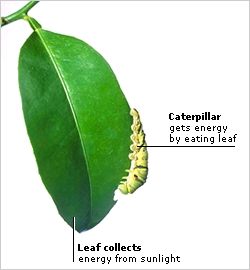
All organisms need food to live and grow. Plants make food by photosynthesis. This chemical process produces waste that the plant excretes (gets rid of). Like all living things, a plant follows a life cycle of growth, reproduction, and death. It can also detect changes in its surroundings and respond to them.
Plants are green because they contain a green pigment called chlorophyll. Chlorophyll captures some of the energy in sunlight and uses this to make food. This process is called photosynthesis. Most plants make food this way, but a small number also digest other living things.
The moneran kingdom includes the simplest, single-celled organisms. Protoctists are more complex single cells and include green algae, which contains the chlorophyll that is also found in plants. Fungi, plants, and animals are thought to have evolved from protoctist ancestors. The kingdom containing the most known species is the animal kingdom.
Naturalist Linnaeus devised the first uniform, scientific way of defining and naming plants and animals. His system is still used as the basis for classification today. The first part of a Linnean name indicates the genus (group). The second part gives the particular species.
Within the plant kingdom, plants are divided into two main groups. The largest group contains the plants that produce seeds. These are flowering plants (angiosperms) and conifers, Ginkgos, and cycads (gymnosperms). The other group contains the seedless plants that reproduce by spores. It includes mosses, liverworts, horsetails, and ferns. So far, scientists have named 400,000 separate plant species. Around 300,000 of these are flowering plants.
Table 21. CLASSIFYING A LESSER CELANDINE
| Class | Magnoliopsida (dicotyledons) |
| Order | Ranunculales |
| Family | Ranunculaceae |
| Genus | Ranunculus |
| Species | Ranunculus ficaria |
From the fossilized remains of ancient plants, we know that the first plants probably developed from algae and lived in water. Mosses and liverworts appeared on land around 475 million years ago (mya). Next came clubmosses, horsetails, and ferns, between 390 and 350 mya. Cone-bearing cycads and conifers evolved much later, and flowering plants most recently of all.


A rose begins life as a seed that germinates (sprouts), growing roots and a shoot. The shoot puts out leaves to produce food and flowers to produce seeds. Seeds develop after pollination (when a male sex cell, carried in pollen, fertilizes a female one). Fruits called hips grow around the developing rose seeds. Birds eat hips and disperse seeds away from the parent plant.
Plants are found in most of the world’s habitats, including wetlands, grasslands, forests, and polar regions. By far the richest plant habitats are tropical rainforests. Tall, broad-leaved trees reach for the sunlight. Far below, ferns and mosses thrive in the warm, damp conditions. There are also flowering plants, often brightly coloured to attract animals that will help to pollinate them.
